
Caring for relatives: When worry becomes a strength

2025-11-27T15:55:07+01:00December 4, 2025|Categories: Chart of the week|Tags: , , , , , |

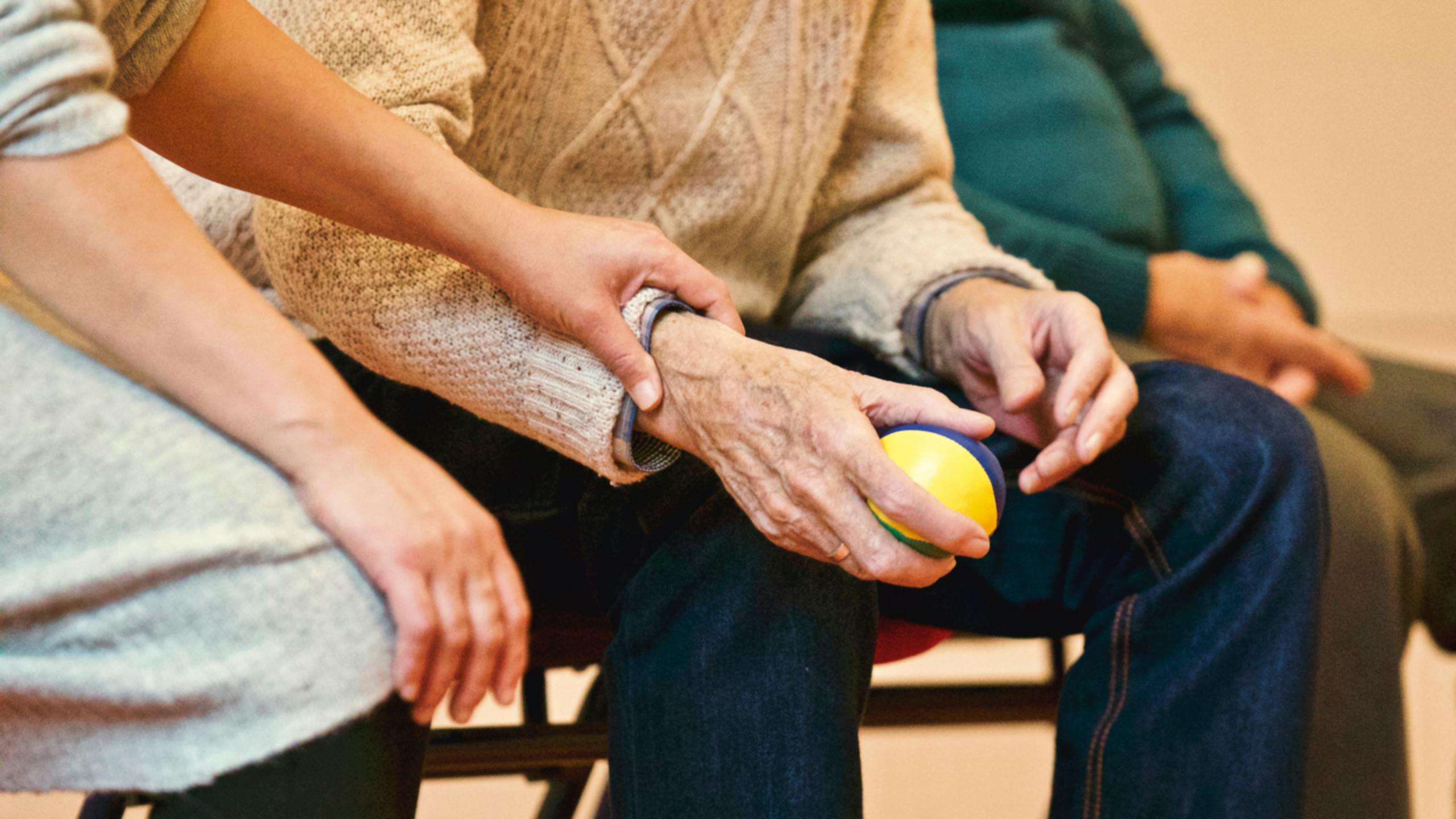
Caring for relatives often goes unnoticed, but is increasingly becoming a pillar of our social system. Almost one in five Germans now regularly performs care work – often unpaid and alongside their job. In light of demographic change, the urgent question arises as to how this service can be recognized and supported through new models in the future.


Caring for relatives: When worry becomes a strength

2025-11-27T10:10:17+01:00December 4, 2025|Categories: Podcast|Tags: , , , , , |

Caregiving is more than a job – it's a lived responsibility in everyday life. Millions of people regularly look after their relatives, usually quietly and without much fanfare. But how often does this actually happen – and how is caregiving changing in an aging society? In this episode, find out why care work often remains invisible, why women and people in rural areas are particularly likely to step in – and how new ideas, digital tools, and social recognition can strengthen the care system of tomorrow.

How we think about others: Responsibility between self-image and expectations

2025-11-25T14:01:05+01:00November 27, 2025|Categories: Podcast|Tags: , , , , |

Almost everyone sees themselves as responsible – yet few believe that others are too. How does this gap between self-image and how others perceive us arise? And what do we actually expect from companies, politicians, and our neighbors? In this episode, find out why our view of others is often too negative, what role media, upbringing, and role models play – and how a change in perspective can lead to more trust, more engagement, and more shared responsibility.

How we think about others: Responsibility between self-image and expectations

2025-11-27T08:25:33+01:00November 27, 2025|Categories: Chart of the week|Tags: , , , , , |

German citizens are increasingly skeptical of their willingness to take civic initiative. Currently, only 28 percent agree with the statement that many people are prepared to take action themselves instead of leaving problems to the state. Compared to 2009, when 40 percent held this view, this is a significant decline. This reveals a striking discrepancy between how others perceive and how people assess themselves.

Everyday life with conviction: Where responsibility is truly lived

2025-11-20T07:14:30+01:00November 20, 2025|Categories: Podcast|Tags: , , , , |

Many say: Society is becoming more selfish. But the figures show something different – especially in our private lives, we help each other more than ever before. But what exactly do we take responsibility for? And how is engagement changing in our digital everyday lives? In this episode, find out why quiet acts of help are often overlooked, why young people in particular are getting involved – and how responsibility could be organized more flexibly, personally, and collaboratively in the future.

Everyday life with conviction: Where responsibility is truly lived

2025-11-20T07:13:05+01:00November 20, 2025|Categories: Chart of the week|Tags: , , , , |

More and more people are getting involved in everyday life, whether in their private lives or for social causes. Younger people prefer flexible, project-based forms of engagement, while older people value reliability and experience. Obstacles such as time constraints or a lack of recognition remain – but targeted initiatives can make a big difference. What counts is not the size of the commitment, but the willingness to take on responsibility.

Taking responsibility: Why so many want to – but not everyone does it

2025-11-13T10:15:33+01:00November 13, 2025|Categories: Podcast|Tags: , , , , |

Those who take on responsibility shape the future. But why do some take on more than others? And how can we live responsibility in a way that empowers rather than overwhelms? In this episode, learn which societal patterns promote or hinder responsibility, why a culture of learning from mistakes plays a key role – and how we can rethink responsibility as a shared resource.

Taking responsibility: Why so many want to do it

2025-11-13T10:13:29+01:00November 13, 2025|Categories: Chart of the week|Tags: , , , , |

The population demonstrates a strong sense of responsibility: 9 out of 10 citizens take responsibility for their actions. Taking responsibility is increasingly seen as a driving force for progress and shaping the future. This attitude is particularly valuable in professional life, as mistakes can be viewed as learning opportunities. The combination of the experience of older generations and the innovative spirit of younger generations offers great potential.

Responsibility: A burden or a guiding principle for the future?

2025-11-05T10:44:23+01:00November 6, 2025|Categories: Chart of the week|Tags: , , , , , , , |

Responsibility is more than a duty – it's an attitude that sustains our society. The overwhelming majority of citizens consider a willingness to take responsibility to be of central importance. It turns out that the older a person is, the more readily they associate responsibility with stability, shaping the future, and community. Younger people, on the other hand, sometimes struggle to perceive themselves as both effective and responsible. What we need is a new understanding of responsibility – one that enables personal initiative and participation without being overwhelming.

Digital Literacy: Why Critical Thinking Becomes Future-Proof

2025-10-31T08:03:07+01:00October 30, 2025|Categories: Chart of the week|Tags: , , , , , , , |

Digital competence is considered by almost one in three Germans to be a key prerequisite for a meaningful and successful life. However, educational background and personal experience significantly influence this assessment. Why digital sovereignty is becoming the new foundation for social participation – and what will be important in the future.

Go to Top