


From scepticism to confidence: digitalisation as a job engine

2025-10-31T08:07:08+01:0017 August 2023|Categories: Chart of the week|Tags: |

Since 1998, we have been able to use the famous search engine Google, the first iPhone was launched in 2007, and since 2018, TikTok has offered a popular platform for creating and sharing short videos on social media. All these and numerous other programs have had a major impact on citizens' leisure activities, communication methods, information searches, shopping, and the use of various services over the last quarter century.


Theme park experience: What about the future of rollercoasters, shows and co.

2025-10-31T08:07:10+01:0010 August 2023|Categories: Chart of the week|Tags: |

Leisure and theme parks are extremely popular in Germany: 38 percent of the population take advantage of the opportunity to ride a roller coaster, watch a show, or experience another attraction at one of the numerous parks at least once a year. Interest varies depending on the stage of life: Parents with their children are the most frequent visitors, followed by young adults.

Satisfaction with life in Germany varies greatly

2025-10-31T08:07:13+01:003 August 2023|Categories: Chart of the week|Tags: |

Only about half of German citizens express a positive view of their lives in Germany. This figure is particularly low among those under 30, at just 43 percent, whereas almost two-thirds of those over 65 say they are happy with their lives in Germany. There are also significant differences in income.

Every second citizen calls for more recognition for voluntary work

2025-10-31T08:07:17+01:0020 July 2023|Categories: Chart of the week|Tags: |

Volunteering plays an important role in our society. Around one in four people volunteer regularly - at least once a month - in clubs or charitable organisations, in hospitals or retirement homes, in the neighbourhood or in political parties, for environmental protection projects or the church. The under-30s are particularly active, with one in three of them volunteering.

Is the compatibility of work and family just a wish for women?

2025-10-31T08:07:20+01:0013 July 2023|Categories: Chart of the week|Tags: |

Reconciling work and family life is a key wish of many employees - but achieving this is not always easy, especially for women. Only 28 per cent of people believe that it will be possible for many women to combine work and family life by 2030.

Germany in reading fever - but will the book boom continue?

2025-10-31T08:07:22+01:006 July 2023|Categories: Chart of the week|Tags: |

Currently, more than one in three citizens regularly sets aside time for reading and dedicates themselves to a book at least once a week. In addition to traditional reading material, roughly one in seven uses digital versions of their reading material in their free time and reads an e-book. Compared to 2019, significantly more citizens are enthusiastic about both formats.

Ancillary costs may or may not increase in the future

2025-10-31T08:07:25+01:0029 June 2023|Categories: Chart of the week|Tags: |

Many Germans are concerned about the development of future rents. 44 per cent expect warm rents to be twice as high as cold rents within the next 20 years. There are hardly any differences in the approval rate in terms of location or income, but there are differences in terms of age and east/west comparison.

Beastly close: Zoo visits between changes and challenges

2025-10-31T08:07:28+01:0022 June 2023|Categories: Chart of the week|Tags: |

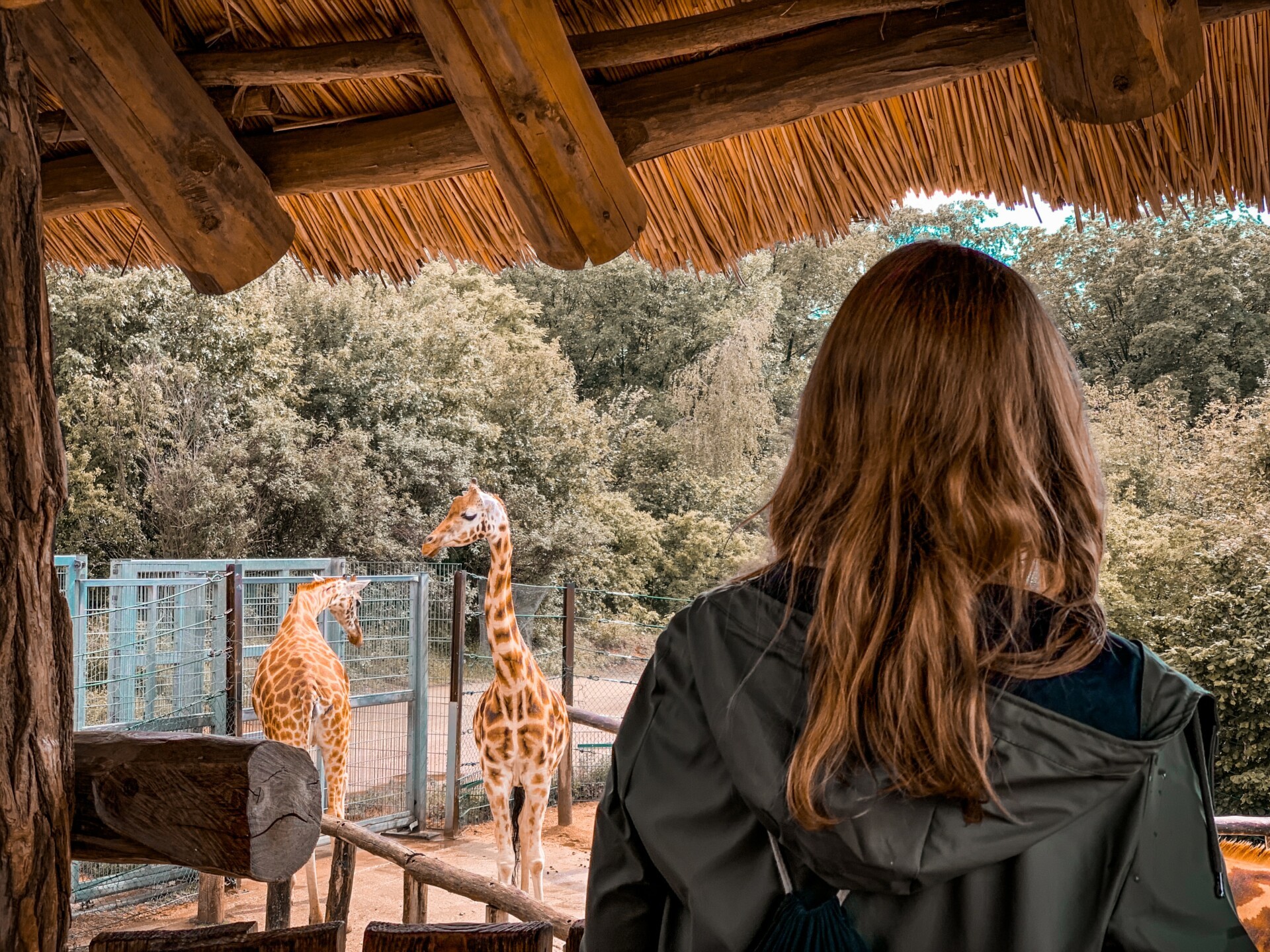
Zoos and animal parks have long been popular destinations for day trips. This year alone, almost one in two Germans (45%) will embark on an expedition into the animal kingdom at least once. Around one in ten (9%) are regular zoo visitors and stroll past leopards, fur seals and the like at least once a month.

Divide between the haves and have-nots

2025-10-31T08:07:30+01:0015 June 2023|Categories: Chart of the week|Tags: |

Nine out of ten German citizens expect an increasing divide between rich and poor in Germany in the future. There is hardly any evidence of differences within the population. Compared to 2012, this concern has increased significantly from 75 to 91 per cent.

Go to Top