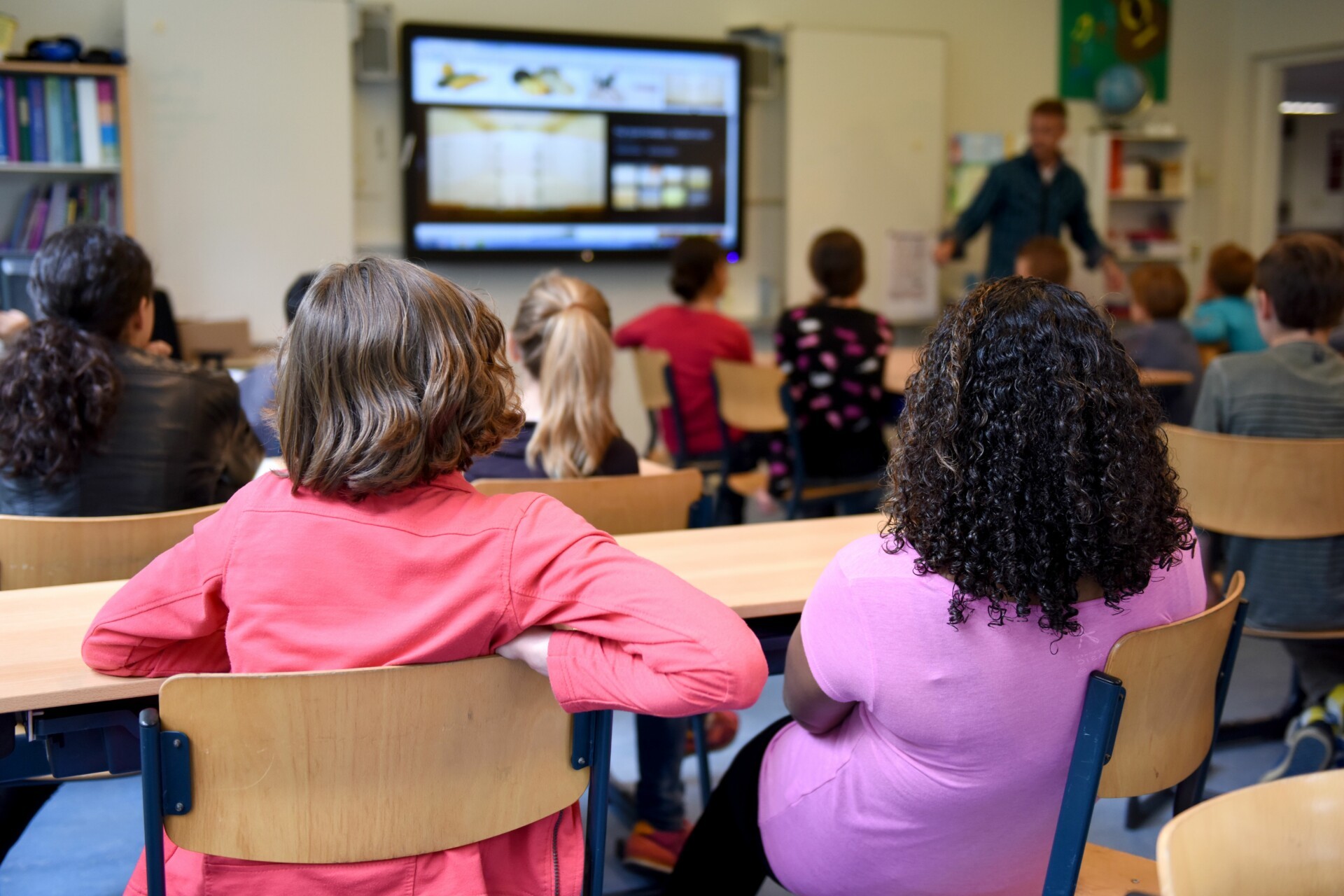
The Future of Education (1/2): What must our schools achieve?

2026-07-09T09:56:01+02:00July 9, 2026|Categories: Forschung aktuell|Tags: , , , , , , , , |

According to only about a quarter of German citizens (2026: 27%), the German education system is well prepared for the future. Even though this figure has risen significantly compared to the past (2021: 10%), a large majority of the population remains skeptical. This is the conclusion of a recent study by the BAT Foundation for Future Issues, for which 2,000 German citizens aged 18 and over were surveyed in a representative sample.

The Future of Education (1/2): What must our schools achieve?

2026-07-09T08:55:13+02:00July 9, 2026|Categories: Podcast|Tags: , , , , , , , , , |

While Germans' trust in their education system has risen slightly over the past five years, three-quarters of the population still view the situation critically. Given declining PISA scores and falling basic skills, the fundamental question arises: What must education achieve in a world that is changing faster than any curriculum? In this episode, learn why basic skills like reading, writing, and arithmetic are the real "future skills" in the age of ChatGPT, what responsibility parents bear long before the first day of school, and how artificial intelligence is changing the traditional examination system. Also in this episode, find out why cruises are becoming increasingly attractive, how travel behavior is changing, and why the industry needs to reposition itself between growth, sustainability, and a new travel culture. For current research: https://www.stiftungfuerzukunftsfragen.de/familie-im-wandel-warum-sich-immer-mehr-gegen-kinder-entscheiden/


Family in transition: Why more and more people are choosing not to have children

2026-06-04T08:38:10+02:00June 4, 2026|Categories: Podcast|Tags: , , , , , , , |

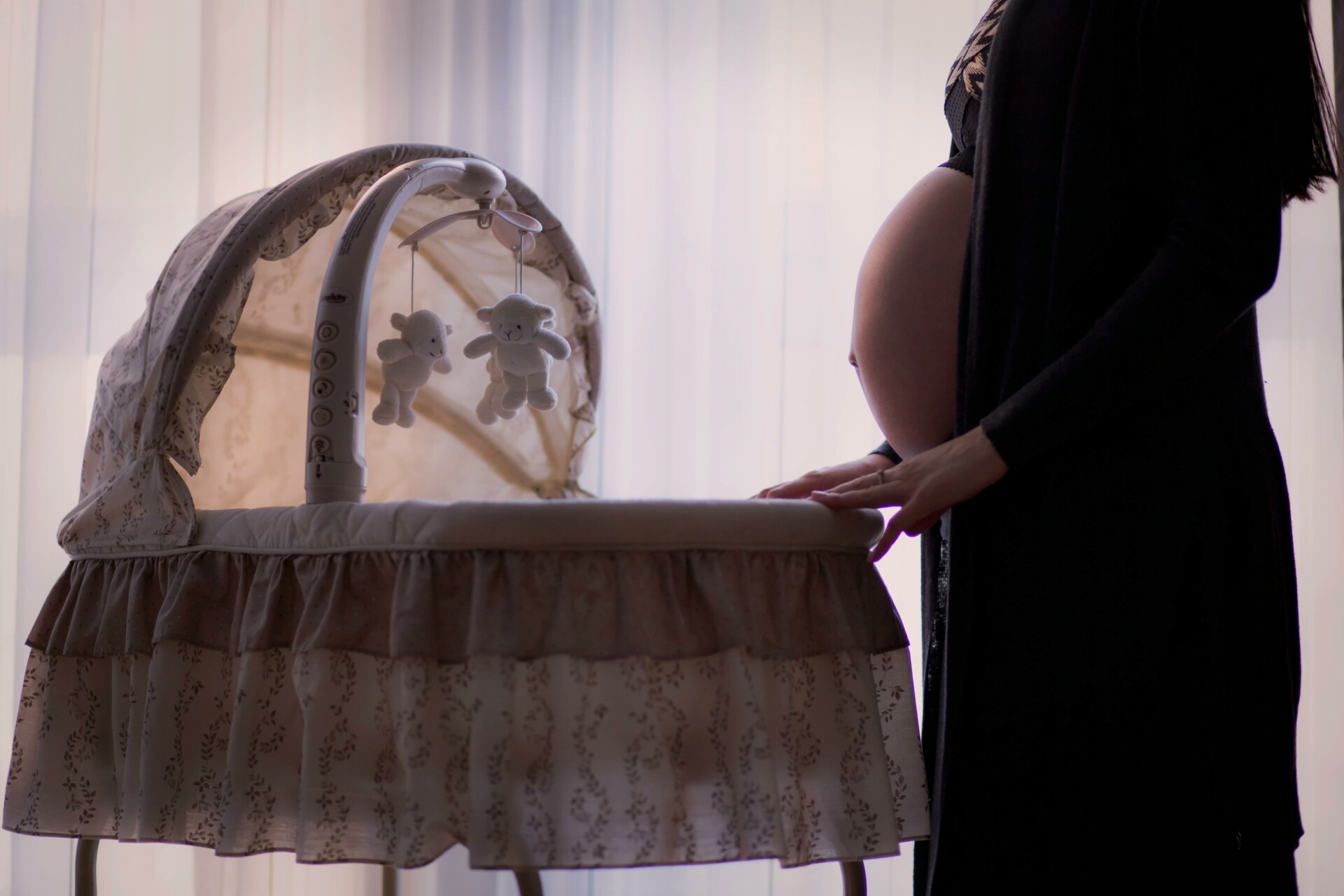
Currently, 100 women in Germany have 135 children; ten years ago, the figure was 159. The increasing childlessness in Germany is primarily an expression of growing insecurity – not a lack of desire for a family. Those who choose not to have children usually cite not just one reason, but a whole range of reservations that reinforce each other. In this episode, learn why cruises are becoming increasingly attractive, how travel behavior is changing – and why the industry needs to reposition itself amidst growth, sustainability, and a new travel culture. For current research: https://www.stiftungfuerzukunftsfragen.de/familie-im-wandel-warum-sich-immer-mehr-gegen-kinder-entscheiden/

Family in transition: Why more and more people are choosing not to have children

2026-06-03T13:56:43+02:00June 4, 2026|Categories: Forschung aktuell|Tags: , , , , , , , |

Currently, 100 women in Germany have 135 children; ten years ago, the figure was 159. The increasing childlessness in Germany is primarily an expression of growing insecurity – not a lack of desire for a family. Those who choose not to have children usually cite not just one reason, but a whole range of reservations that reinforce each other.

Why companies need idea management

2025-10-31T08:06:01+01:008 May 2024|Categories: Chart der Woche|Tags: , , , , , , |

In times of increasing globalization and a growing shortage of skilled workers, the innovative capacity and creative contributions of employees within companies are gaining in importance. The immense creative potential that lies dormant in the minds of employees in German companies will be indispensable in the future. More than half of all citizens even envision a new professional field for "idea managers" within companies.

Why gardening is so popular

2025-10-31T08:06:03+01:002 May 2024|Categories: Chart der Woche|Tags: , , , , , , |

Currently, one in three Germans regularly engages in gardening – meaning at least once a week. In 2019, it was only one in four, and while only one in five city dwellers pursues this hobby, the figure is twice as high in rural areas. This hobby is expected to continue growing in popularity.

How pension provision is changing in Germany

2025-10-31T08:06:06+01:0025 April 2024|Categories: Chart der Woche|Tags: , , , , , , |

Financial provision for old age is a key issue in a society in which life expectancy is steadily increasing and the birth rate is falling. This is because the statutory pension will simply no longer be enough for many people. As a result, more and more people are showing an interest in high-yield investments such as shares and funds in order to strengthen their retirement provision.

Why more and more Germans are not having children

2025-10-31T08:06:09+01:0018 April 2024|Categories: Chart der Woche|Tags: , , , , |

The birth rate in Germany, at 1.36 children per woman, is too low to halt population decline. Approximately 2.1 children per woman would be needed to achieve this. The reasons for this are manifold, ranging from financial burdens and a lack of government support to fear of divorce and single parenthood.

Go to Top