


How much do Germans tip? Analyses and forecasts
When eating out, taking a taxi, at the hairdresser, or even in many restrooms – tipping is second nature to most Germans. But how much is appropriate?
When eating out, taking a taxi, at the hairdresser, or even in many restrooms – tipping is second nature to most Germans. But how much is appropriate?
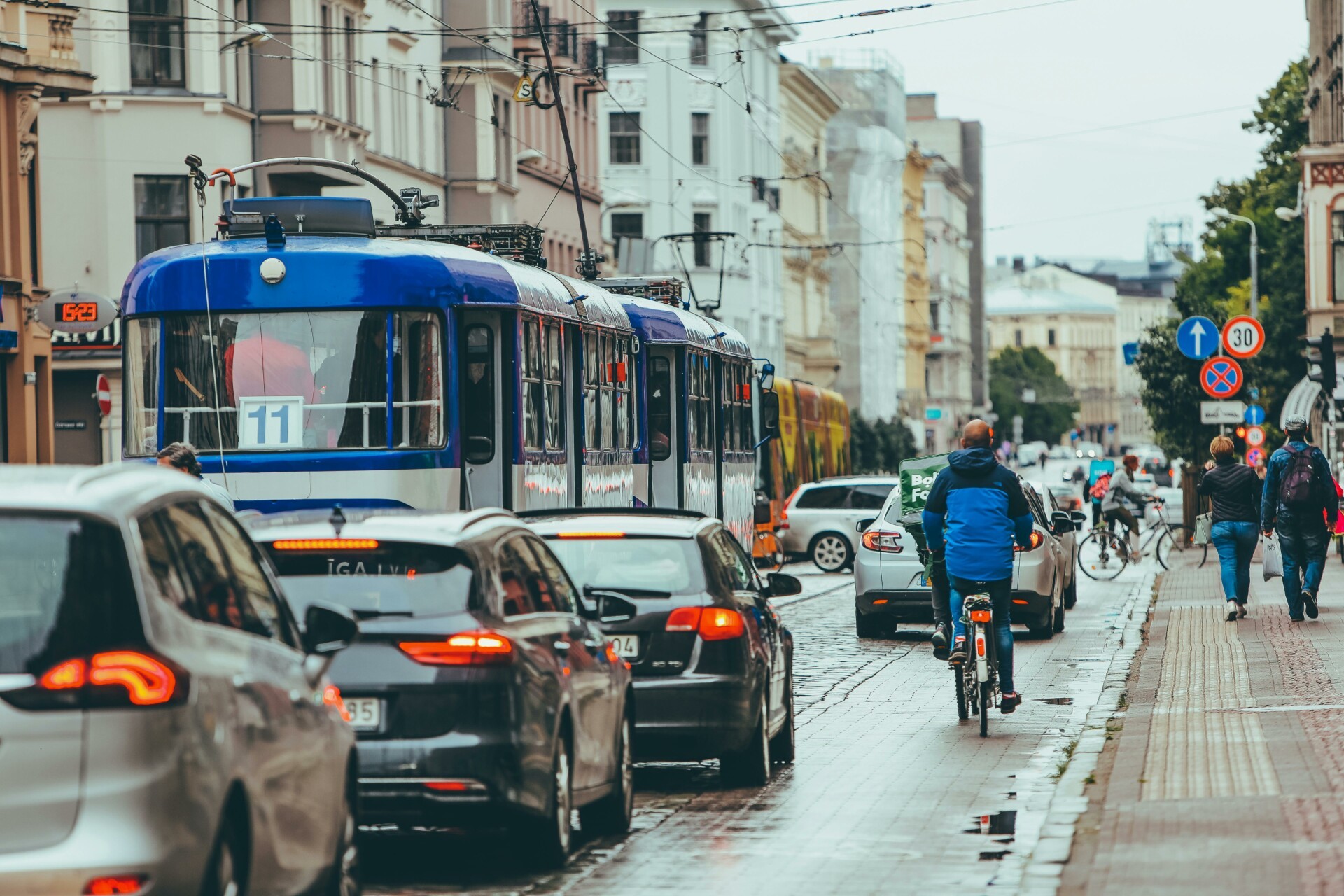
In Germany, 29 percent of the population can imagine living in a city without cars. Interest in a car-free lifestyle is higher in urban areas than in rural areas.
A slight majority of people currently feel more stressed than they did a few years ago. The distribution within the different age groups is striking. While almost two thirds of those under 30 feel an increase in stress levels, „only“ just under a third of those over 65 do.
The saving habits of German citizens have changed over the last ten years. What would Germans currently be willing to forgo if they had to save money? What differences are apparent when comparing year-on-year figures?
12 million active users - online dating is booming. Statistically speaking, relationships last longer when they start online. And in Tokyo, they are even hoping to boost the birth rate with their own dating app.
What does Germany actually stand for? Is the Federal Republic a livable place for Germans, safe, senior-friendly, or environmentally conscious?
Data storage, online or video surveillance – how important is privacy to Germans? Currently, almost two-thirds of the population consider their own safety more important than their personal privacy. Just over ten years ago, not even half held this view.
Trust is a fundamental basis of every society. It stabilizes the social fabric, facilitates cooperation, and promotes harmonious coexistence. But whom do citizens currently trust?
Every year the same question arises: How do we want to go on vacation? The clear winner has always been the car. However, in a 10-year comparison, its popularity has declined significantly, while air travel has gained more than ten percentage points.
Good service is one of the most important competitive factors in retail, yet only a quarter of Germans feel that it exists in Germany. Is Germany really becoming a service desert?
Foundation for Future Studies | Contact us | Legal notice | Data protection
Foundation for Future Studies | Contact us | Legal notice | Data protection