


How Germany informs itself: From editorials to likes
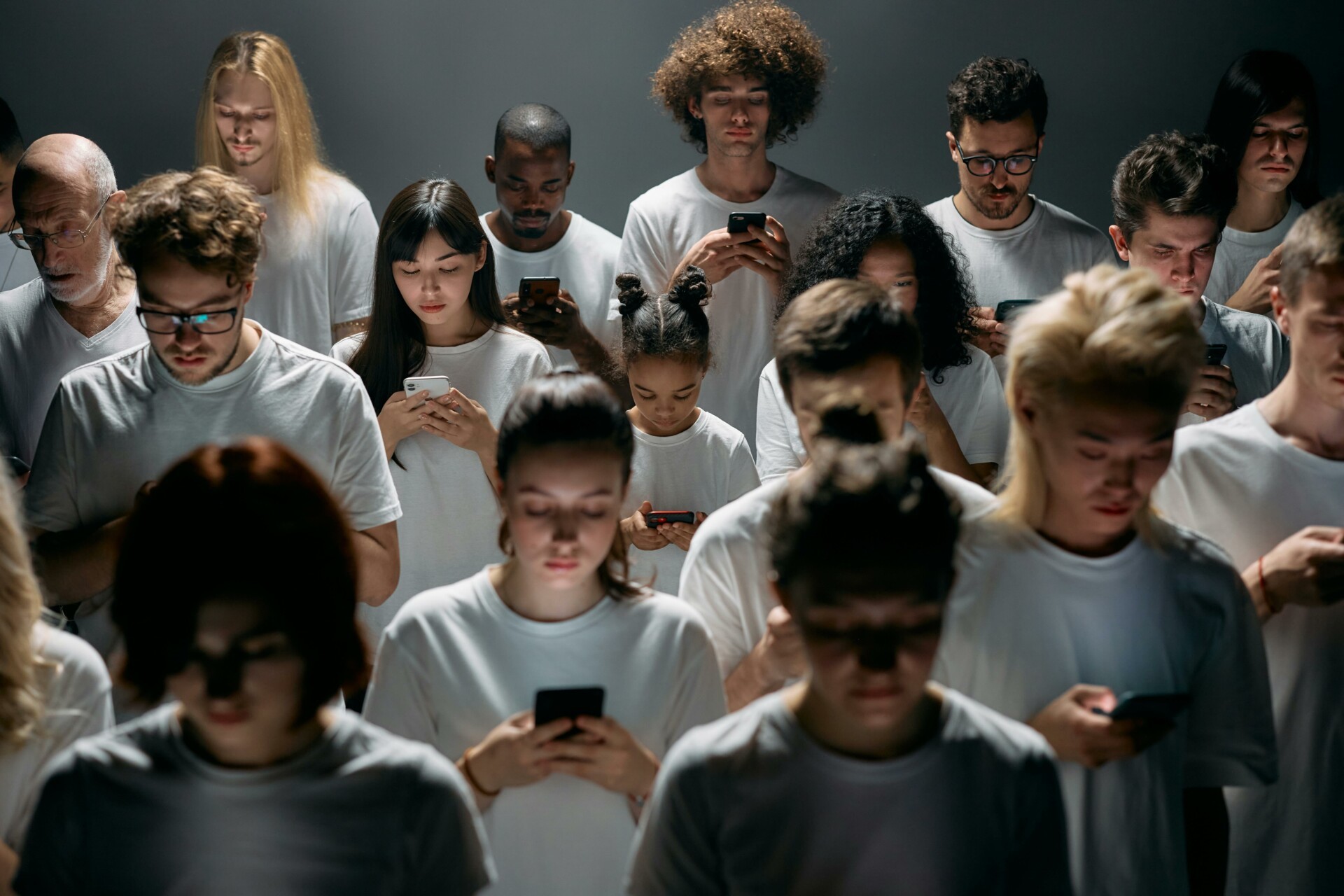
How do Germans inform themselves in an age full of fake news and filter bubbles? While the younger generation is increasingly turning to social media, traditional news sources are falling behind.
How do Germans inform themselves in an age full of fake news and filter bubbles? While the younger generation is increasingly turning to social media, traditional news sources are falling behind.
Video games are an integral part of leisure activities for many Germans. Around a third of the population plays regularly – that is, at least once a week – on their computer, console, or smartphone. More than one in four would also like to play more often.
Digital learning resources are recognized by the majority of German citizens as a valuable supplement to traditional teaching methods and are gaining acceptance, particularly among older generations. The flexibility and personalization of digital platforms support individual learning paths and promote learning success. Digital learning resources not only contribute to increased motivation but also foster important digital skills. However, with their increasing integration into the education sector, it is crucial to reconcile technological innovation with pedagogical quality and to provide teachers with appropriate professional development.
The willingness of citizens to spend time traveling to a shopping center or pedestrian zone has decreased significantly in recent years. While this averaged 45 minutes 20 years ago, it is now only 35 minutes.
Not even one in five Germans (18%) meets up with their friends at least once a week – twenty years ago, the figure was 28 percent. Members of the younger generation are particularly less likely to meet up: among those under 35, only one in three (32%) currently spends time regularly with their friends, compared to 56 percent in 2004.
Two-thirds of Germans believe that social media has a rather negative impact on society. This critical view is particularly widespread among those with higher levels of education. Skepticism towards platforms like Facebook, Instagram, and Twitter has increased. While social networks were long valued for their ability to connect people and promote the free flow of information, the tide is now turning, and a clear majority views them with increasing skepticism.
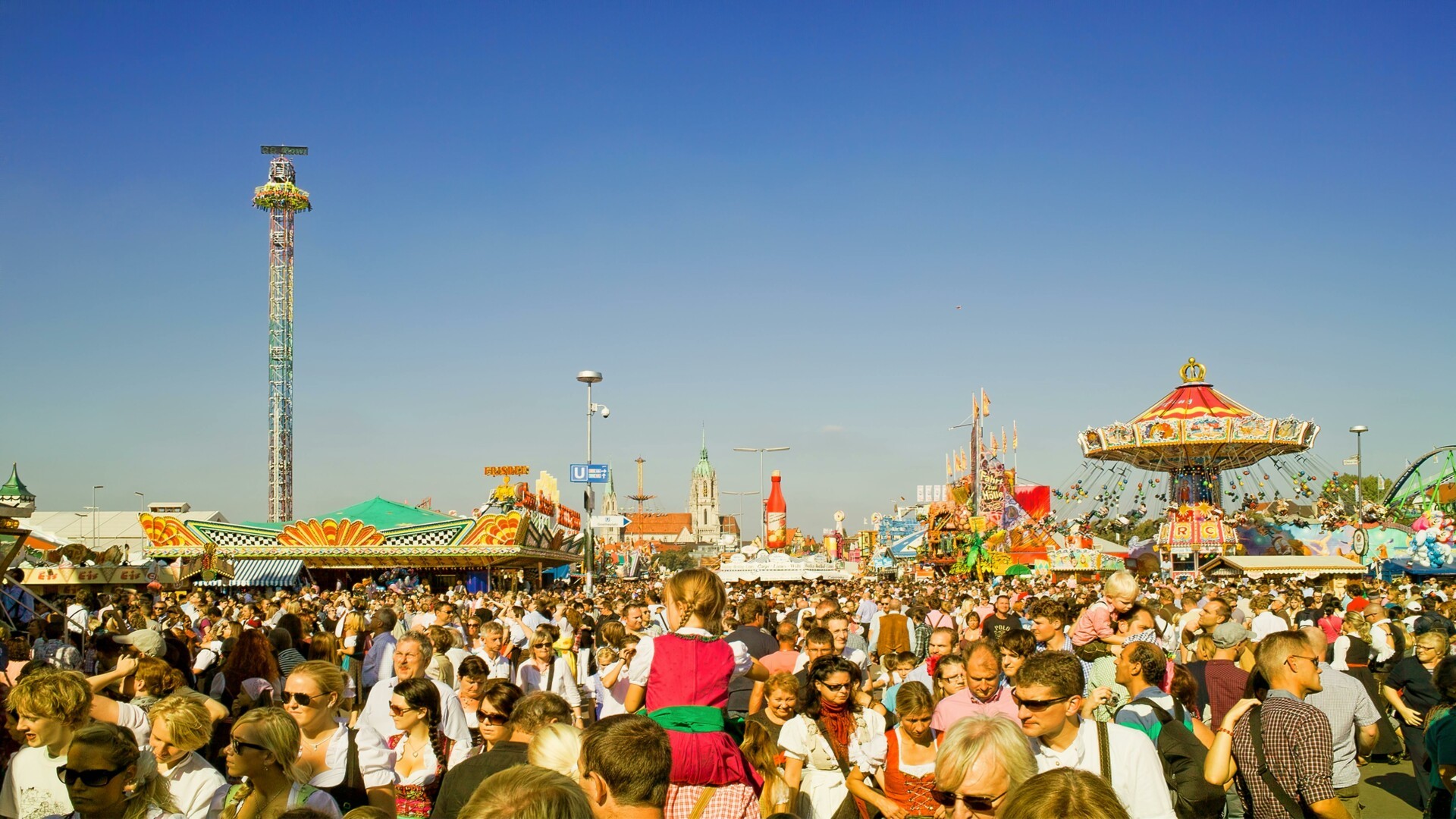
Folk festivals are more than just opportunities to have fun – they are also an expression of regional culture and tradition. In Germany, three out of five citizens currently visit folk festivals or fairs at least once a year – just as frequently as ten or twenty years ago. More than one in three Germans expresses the desire to ride the carousel more often, try their luck at the lottery booth, or simply enjoy some delicious food.
Currently, three out of four Germans regularly – at least once a week – take the time to enjoy a coffee, often accompanied by a piece of cake. Will this continue in the future?
Only just over one in two Germans are satisfied with their current job. Ten years ago, it was 3 out of 4 respondents. How did this change come about?
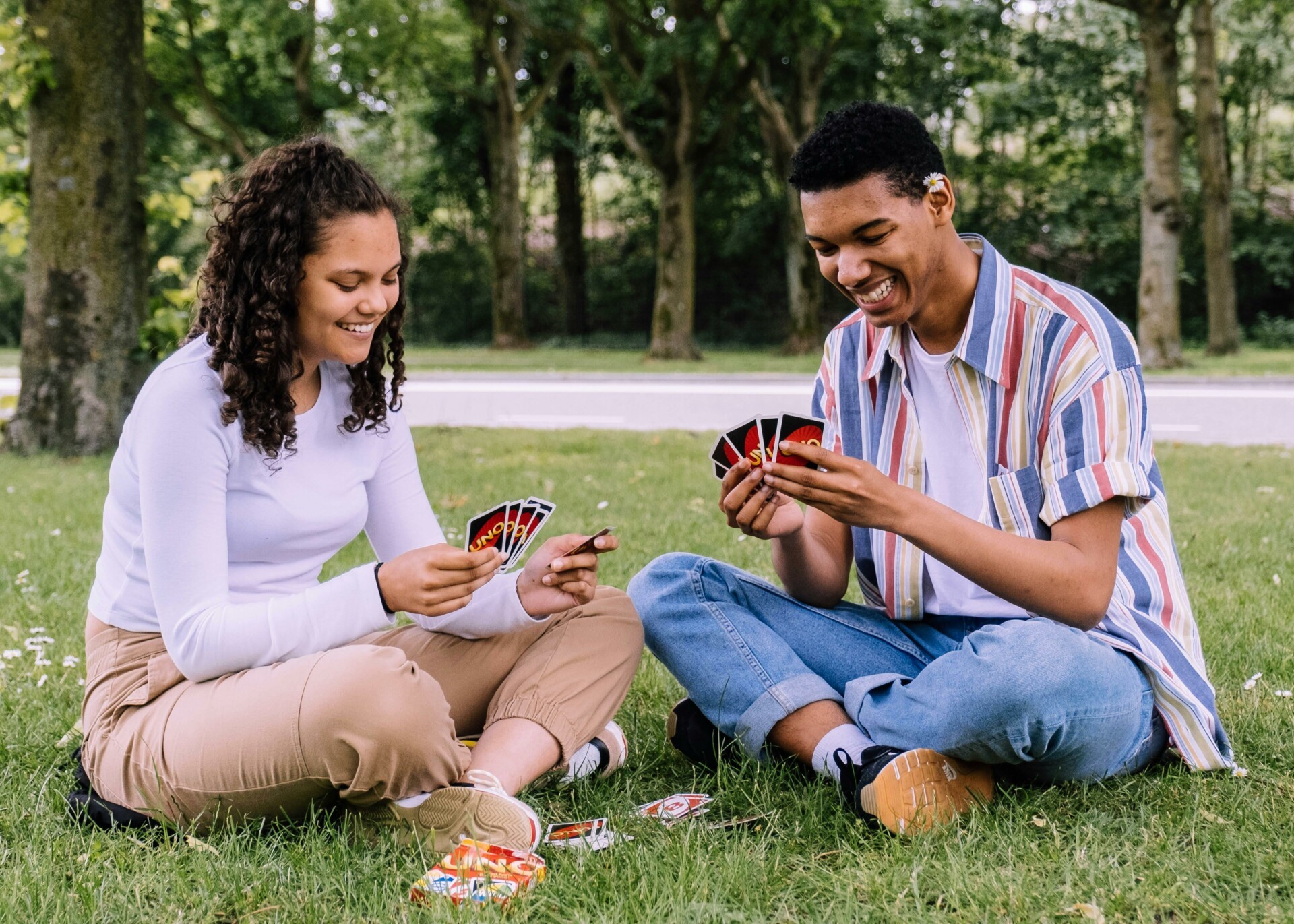
In a leisure world offering almost endless possibilities, board games have been experiencing a renaissance for several years. Young adults and parents, in particular, play them often and with great enjoyment.
Foundation for Future Studies | Contact us | Legal notice | Data protection
Foundation for Future Studies | Contact us | Legal notice | Data protection