


The opportunities of a 4-day week

2025-10-30T15:14:42+01:0030 April 2024|Categories: Current research|Tags: , , |

The introduction of a 4-day week with full pay is the subject of intense debate in Germany. While employers, associations and political parties tend to be sceptical, almost two thirds of German citizens think it is a good idea. This is the result of a recent study by the BAT Foundation for Future Studies, for which over 2,000 German citizens aged 18 and over were surveyed.


How pension provision is changing in Germany

2025-10-31T08:06:06+01:0025 April 2024|Categories: Chart of the week|Tags: , , , , , , |

Financial provision for old age is a key issue in a society in which life expectancy is steadily increasing and the birth rate is falling. This is because the statutory pension will simply no longer be enough for many people. As a result, more and more people are showing an interest in high-yield investments such as shares and funds in order to strengthen their retirement provision.

Why more and more Germans are not having children

2025-10-31T08:06:09+01:0018 April 2024|Categories: Chart of the week|Tags: , , , , |

The birth rate in Germany, at 1.36 children per woman, is too low to halt population decline. Approximately 2.1 children per woman would be needed to achieve this. The reasons for this are manifold, ranging from financial burdens and a lack of government support to fear of divorce and single parenthood.

How artificial intelligence is changing our lives

2025-10-31T08:06:11+01:0011 April 2024|Categories: Chart of the week|Tags: , , , |

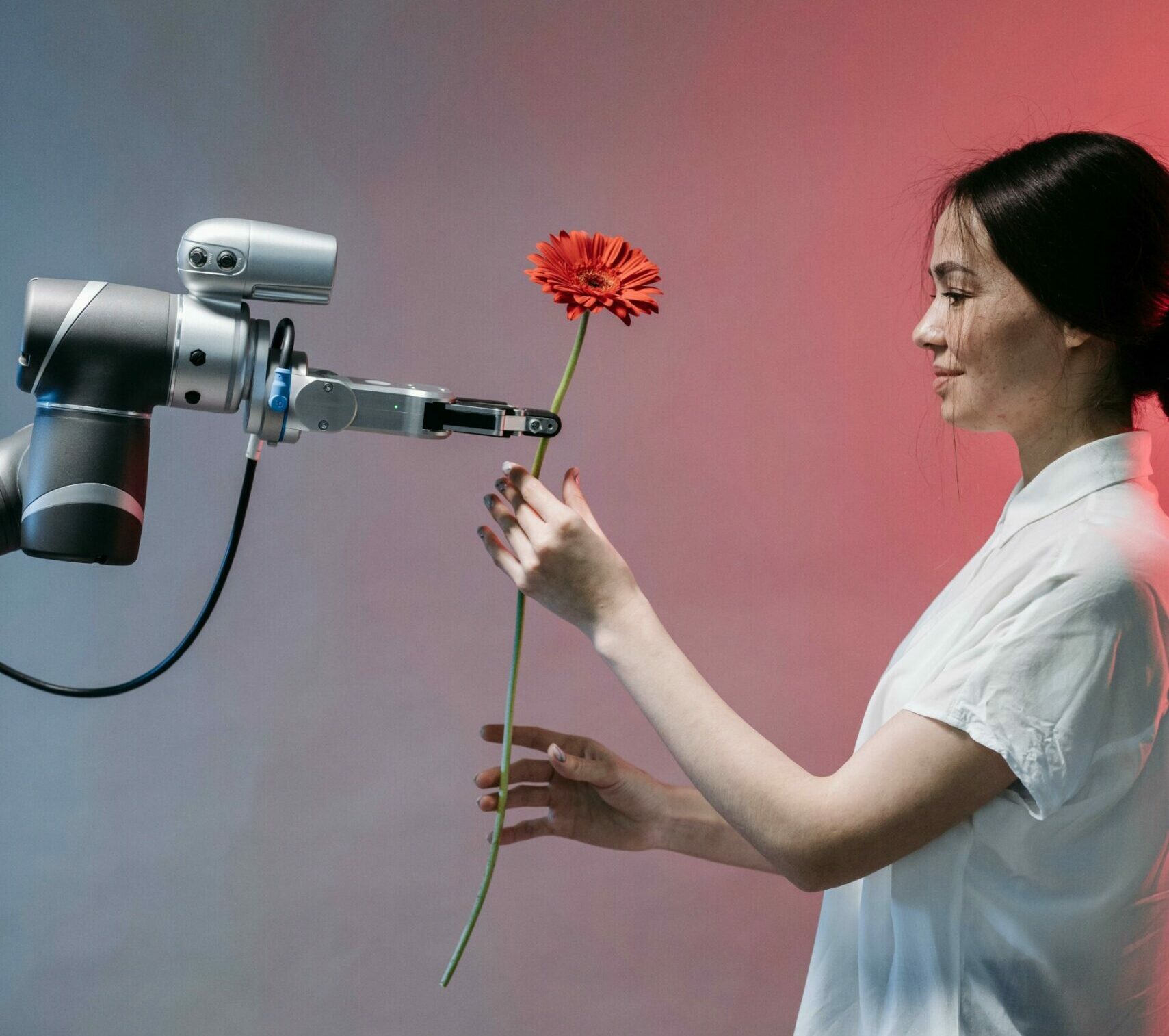
At a time when the use of ChatGPT and similar programmes continues to increase, the development of artificial intelligence is the subject of controversial debate. A slight majority (54%) of the population expects AI to bring major changes to life in the future and considers developments in this field to be groundbreaking for the future.

Why the future belongs to further training

2025-10-31T08:06:14+01:004 April 2024|Categories: Chart of the week|Tags: , , , |

Four out of five citizens are willing to continue their education throughout their lives. There are only slight differences within the population, with the self-employed showing a slightly higher willingness and the unemployed a slightly lower one. Contrary to this positive attitude, only around half of the population currently takes part in further training programmes at least once a year.

Why more and more Germans have a hobby

2025-10-31T08:06:16+01:0028 March 2024|Categories: Chart of the week|Tags: , , , |

Almost half of all Germans regularly pursue a personal hobby. Five years ago, only about one in three made time for an individual pastime. This increased interest in hobbies is also reflected in the question of whether Germans have rediscovered an old hobby. Since the outbreak of the pandemic, roughly one in ten has returned to an old passion.

Why luxury holidays are booming

2025-10-31T08:06:19+01:0021 March 2024|Categories: Chart of the week|Tags: , , , |

In the last ten years, the proportion of high earners who afford luxury holidays has tripled. Currently, more than one in seven German citizens with a high net household income spends more than €5,000 per person on their main holiday. Luxury is booming.

Why flexible and customised workplaces are in demand

2025-10-31T08:06:21+01:0014 March 2024|Categories: Chart of the week|Tags: , , , |

Four out of five citizens expect more flexible and individualized work opportunities in the future. This applies to both the timing and content of the job and reveals a shift in traditional ideas: away from fixed working hours and towards more flexibility and self-determination in the workplace.

How media use influences development

2025-10-31T08:06:24+01:007 March 2024|Categories: Chart of the week|Tags: , , , |

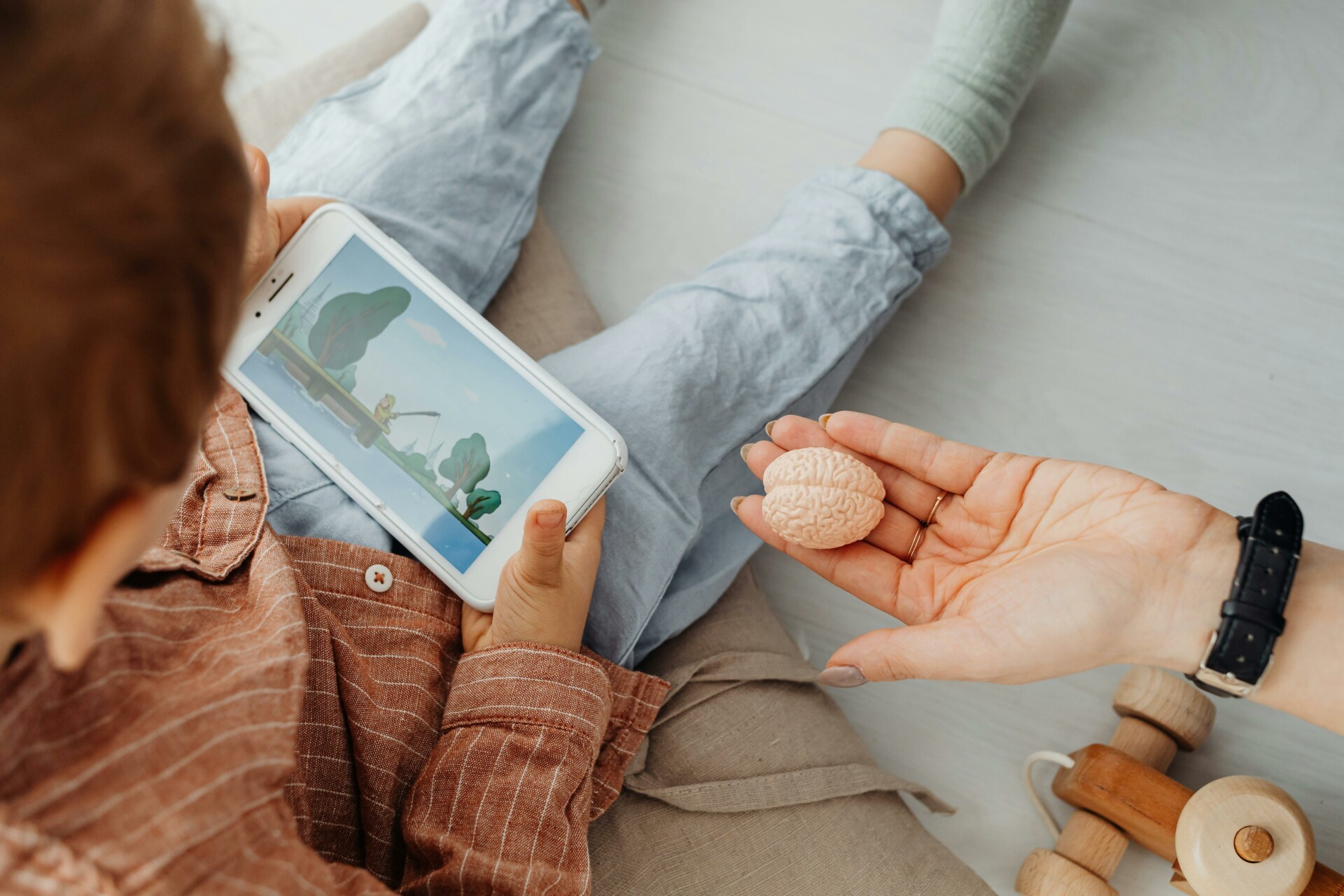
Today's generation of children and teenagers is surrounded by a multitude of digital content – from social media and streaming services to online learning platforms. But how strong is the influence of media on children's development? And what role do the home and school still play?

Go to Top