


Travel desire on a record course: Why holidays are becoming an anchor of resilience

2026-02-27T10:00:47+01:00March 3, 2026|Categories: Podcast|Tags: , , , , , , |

Over 35 million pets live in Germany – they provide support, offer companionship, and shape our daily lives more than we realize. But what does our love for animals say about us as a society? In this episode, find out why more and more people are regularly interacting with animals, how pets help alleviate loneliness and stress, and what developments will change our relationship with them in the future: from insect-based food and digital health trackers to robot dogs and pet-friendly nursing homes.

Vacation between budget and biography – what travel costs reveal about social differences

2026-07-21T19:03:29+02:00March 3, 2026|Categories: Chart der Woche|Tags: , , |

Travel costs vary not only by destination or season, but also by income, place of residence, and age. Those with more financial flexibility plan differently. People living in metropolitan areas have different priorities than those from rural regions. And depending on age, needs, expectations, and willingness to pay change. On average, Germans spend €130 per travel day. This figure seems stable, almost reassuring. But it represents a societal range that is greater than the number suggests.

42nd German Tourism Analysis 2026

2026-07-21T19:03:29+02:00February 5, 2026|Categories: Forschung aktuell|Tags: , , , , , , , |

Despite economic pressures, social conflicts and a tense general mood, the frequency of travel continues to increase, and more money is being spent than ever before.

Meaning through work or joy in life? A societal shift in direction.

2026-07-21T19:03:29+02:00January 19, 2026|Categories: Forschung aktuell|Tags: , , , , , , , |

Work as a meaningful life task is losing its significance. More and more people are striving for a balance between self-realization and quality of life. Young people, in particular, are placing greater emphasis on enjoyment and freedom. This is the conclusion of a recent study by the non-profit FOUNDATION FOR FUTURE ISSUES, for which over 2,000 German citizens aged 18 and over were surveyed in a representative sample.


How do citizens view the year 2026?

2026-07-21T18:58:11+02:00December 27, 2025|Categories: Forschung aktuell|Tags: , , , , , , |

The fear of societal division has risen significantly, but the objective problems have remained the same. This is the conclusion of the latest study by the non-profit Foundation for Future Issues, for which 2,000 German citizens aged 18 and over were surveyed in a representative sample. While economic pessimism and the loss of trust in politicians have hardly changed, the hope for social cohesion has halved. Consequently, anxiety about the future has also increased considerably.

More than just companions: How pets shape our society

2025-12-03T12:05:52+01:00December 11, 2025|Categories: Podcast|Tags: , , , , , , |

Over 35 million pets live in Germany – they provide support, offer companionship, and shape our daily lives more than we realize. But what does our love for animals say about us as a society? In this episode, find out why more and more people are regularly interacting with animals, how pets help alleviate loneliness and stress, and what developments will change our relationship with them in the future: from insect-based food and digital health trackers to robot dogs and pet-friendly nursing homes.

More than just companions: How pets shape our society

2025-12-04T08:58:16+01:00December 11, 2025|Categories: Chart der Woche|Tags: , , , , , |

They are emotional anchors, provide structure, and have a positive impact on well-being: Pets have a significant social role in Germany that is often underestimated. The figures show that over 35 million pets live in German households, and their influence on our daily lives and our mental health is enormous. This week's chart explores how pets have become an important part of our lives and what role they might play in the future.

Caring for relatives: When worry becomes a strength

2026-07-21T19:03:29+02:00December 4, 2025|Categories: Chart der Woche|Tags: , , , , , |

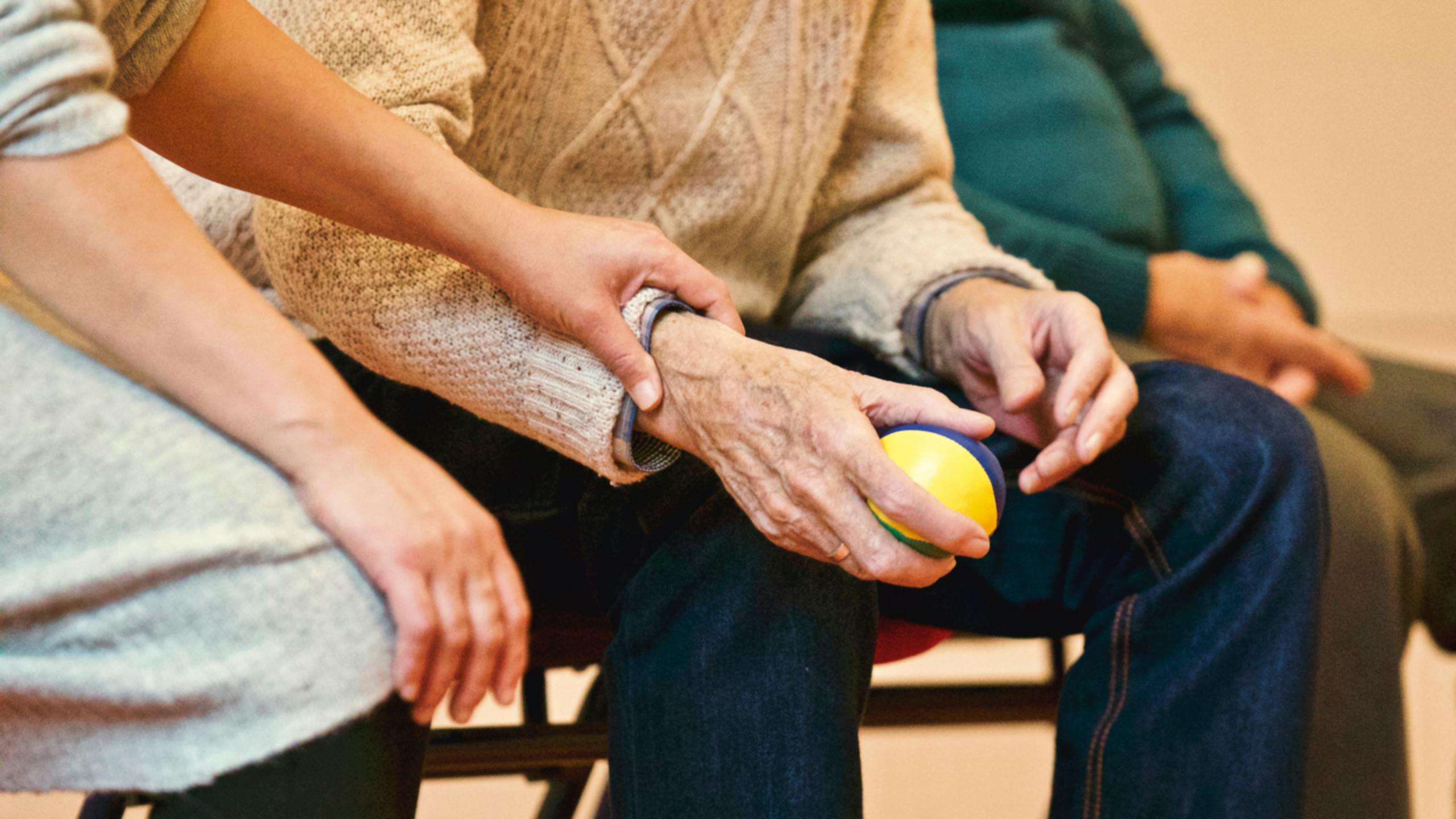
Caring for relatives often goes unnoticed, but is increasingly becoming a pillar of our social system. Almost one in five Germans now regularly performs care work – often unpaid and alongside their job. In light of demographic change, the urgent question arises as to how this service can be recognized and supported through new models in the future.

Caring for relatives: When worry becomes a strength

2025-11-27T10:10:17+01:00December 4, 2025|Categories: Podcast|Tags: , , , , , |

Caregiving is more than a job – it's a lived responsibility in everyday life. Millions of people regularly look after their relatives, usually quietly and without much fanfare. But how often does this actually happen – and how is caregiving changing in an aging society? In this episode, find out why care work often remains invisible, why women and people in rural areas are particularly likely to step in – and how new ideas, digital tools, and social recognition can strengthen the care system of tomorrow.

How we think about others: Responsibility between self-image and expectations

2025-11-25T14:01:05+01:00November 27, 2025|Categories: Podcast|Tags: , , , , |

Almost everyone sees themselves as responsible – yet few believe that others are too. How does this gap between self-image and how others perceive us arise? And what do we actually expect from companies, politicians, and our neighbors? In this episode, find out why our view of others is often too negative, what role media, upbringing, and role models play – and how a change in perspective can lead to more trust, more engagement, and more shared responsibility.

Go to Top