Holidays in Germany: who is travelling where?

2025-10-31T08:04:28+01:0025 March 2025|Categories: Chart of the week|Tags: , , , , , , , |

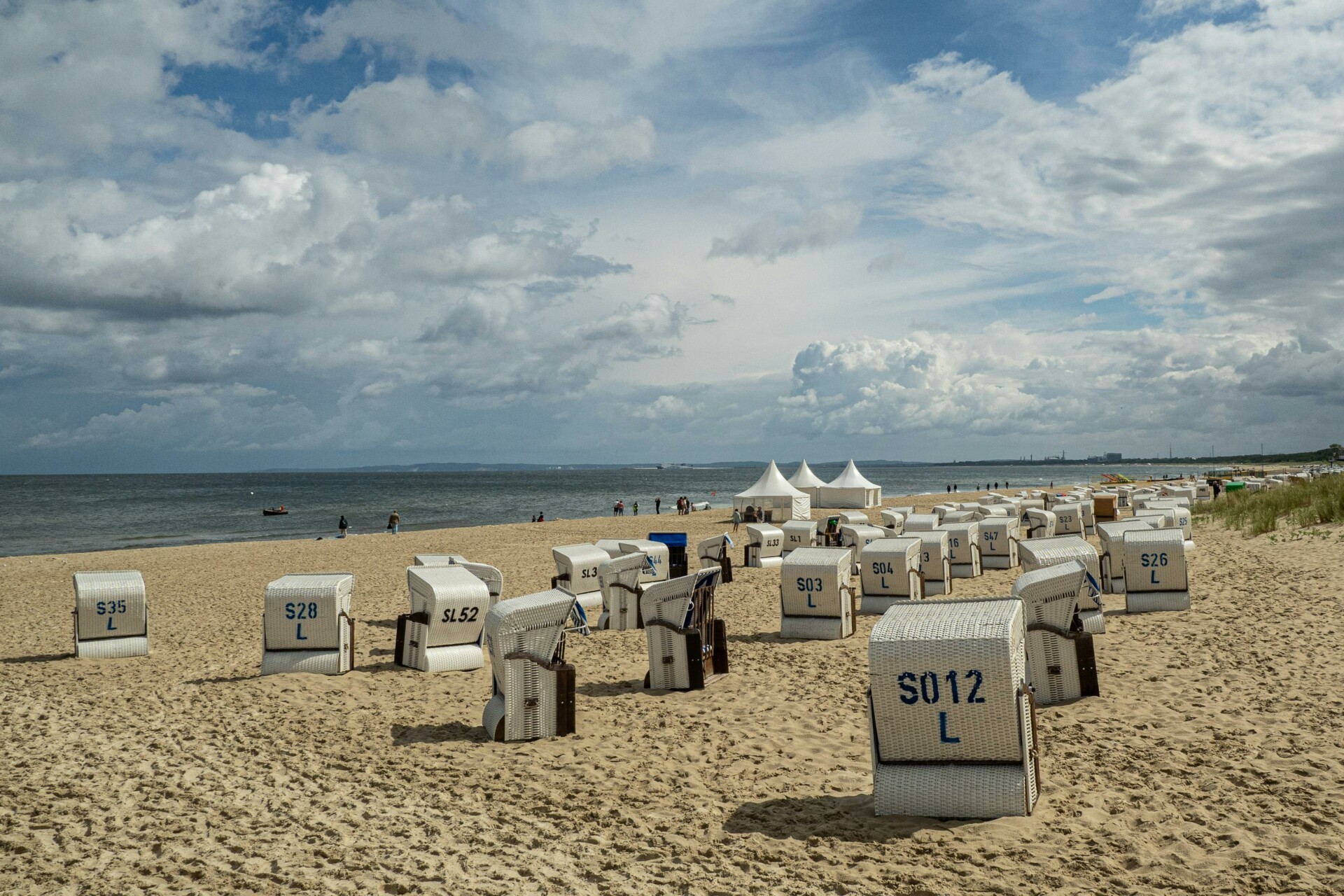
East Germans favour holiday destinations such as the coasts in Mecklenburg-Western Pomerania, the holiday regions in Brandenburg or the Elbe Sandstone Mountains. West Germans, on the other hand, more often spend their holidays on the beaches in the west of the republic, the Black Forest or the Alps. These results illustrate how strongly travel experiences and regional differences influence the choice of holiday destination.


Travel behaviour of Germans: When do they book and where do they go?

2025-10-31T08:04:30+01:0020 March 2025|Categories: Chart of the week|Tags: , , , , , , , |

Around one in ten German citizens spontaneously decides on a holiday destination and books last-minute trips. Young adults are by far the most likely to react to offers at short notice, while people in all other phases of life are more likely to plan ahead.

Travel behaviour of Germans: When do they book and where do they go?

2025-10-30T15:13:29+01:0020 March 2025|Categories: Podcast|Tags: , , , , |

Whether early birds or last-minute decision-makers – the booking behavior of Germans reveals a lot about their travel plans and priorities. But who belongs to which group, and what advantages does each strategy offer? And where are Germans heading next season? In this episode, you'll learn not only about their travel and booking habits, but also what lies behind their longing for a vacation. Is it about relaxation, adventure, or perhaps an escape from everyday life?

The German Tourism Analysis 2025: results and analyses

2025-10-30T15:13:30+01:006 March 2025|Categories: Podcast|Tags: , , , , |

Germans' wanderlust remains undiminished – despite economic uncertainties and global crises. Germany itself remains by far the most popular travel destination. In this episode, learn all about Germans' travel behavior last season: from vacation length and costs to the most sought-after destinations. We also reveal which factors truly contribute to a relaxing vacation.

Are multiple journeys the new normal?

2025-10-31T08:04:33+01:006 March 2025|Categories: Chart of the week|Tags: , , , , , , , |

Ten years ago, one in five citizens took more than one vacation trip. Last year, that number more than doubled. Almost one in four traveled twice, more than one in ten three times, and one in twelve even more frequently. Travel frequency increased with rising income: the proportion of those taking multiple trips was more than three times higher among higher earners than among lower earners.

How citizens are looking ahead to 2025: worries, fear and a little hope

2025-10-30T15:13:32+01:002 January 2025|Categories: Podcast|Tags: , , , , |

Global challenges such as wars, climate change, and economic uncertainties are weighing heavily on Germans. Added to this are unresolved national issues and early elections. Nearly two-thirds of citizens are approaching the new year with fear and worry, while only 37 percent express optimism. In this episode, you'll learn not only which issues are most important to whom, but also where the opportunities and challenges for politics lie in 2025. We'll also take a look at small glimmers of hope, such as the desire for greater unity in Germany and Europe. This episode not only examines Christmas and New Year's traditions in Germany and shares surprising facts, but also offers some tips on how to truly relax and start the new year.

How citizens are looking ahead to 2025: worries, fear and a little hope

2025-10-31T08:04:35+01:002 January 2025|Categories: Chart of the week|Tags: , , , , , , , |

The majority of Germans are looking ahead to the next twelve months with concern. 63 percent of the population express fears and uncertainties, while only 37 percent are optimistic about the future. Differences emerge between various population groups: women are more pessimistic about the future than men (+6 percentage points). The difference is particularly striking with regard to income: low-income earners express concerns more frequently than higher-income earners (+9 percentage points).

How do people see the year 2025?

2025-10-30T15:13:34+01:0026 December 2024|Categories: Current research|Tags: , , |

Global challenges - from wars and climate change to unresolved national problems, economic uncertainties, persistent inflation and migration issues - characterise the mood of German citizens. Additional political uncertainties, such as the early elections, reinforce this impression. A recent representative survey by the non-profit BAT Foundation for Future Studies shows that almost two thirds of citizens are worried and anxious about the coming twelve months. Only 37 per cent express confidence.

Leisure time in focus: How money influences our activities

2025-10-31T08:04:38+01:0026 December 2024|Categories: Chart of the week|Tags: , , , , , , , |

Almost half of Germans (49 %) report being more dependent on paid leisure activities than they would like. This finding illustrates that the financial aspect plays an increasingly significant role in leisure activities and represents a tension between desires and possibilities for many. Striking differences exist between age groups...

Leisure time in focus: How money influences our activities

2025-10-30T15:13:35+01:0026 December 2024|Categories: Podcast|Tags: , , , , |

Leisure time means relaxation, experiences, and time for oneself – or does it? For many, it also means spending money, and more than they'd like. The leisure industry is booming and growing rapidly, raising the question: How free are we really in how we spend our free time when the budget often dictates the pace? In this episode, find out what lies behind the "I'm doing this for myself" illusion, what the (free) leisure desires of Germans look like, and what we as a society can do to shape the future of leisure according to our needs. This episode will not only explain why selfishness is often irrational and how it increases mistrust between people, but also explore approaches to fostering compassion and working together towards a more equitable future.

Go to Top