
The future of travel: where is the journey really going?

2025-10-31T08:04:25+01:0027 March 2025|Categories: Chart of the week|Tags: , , , , , , , |

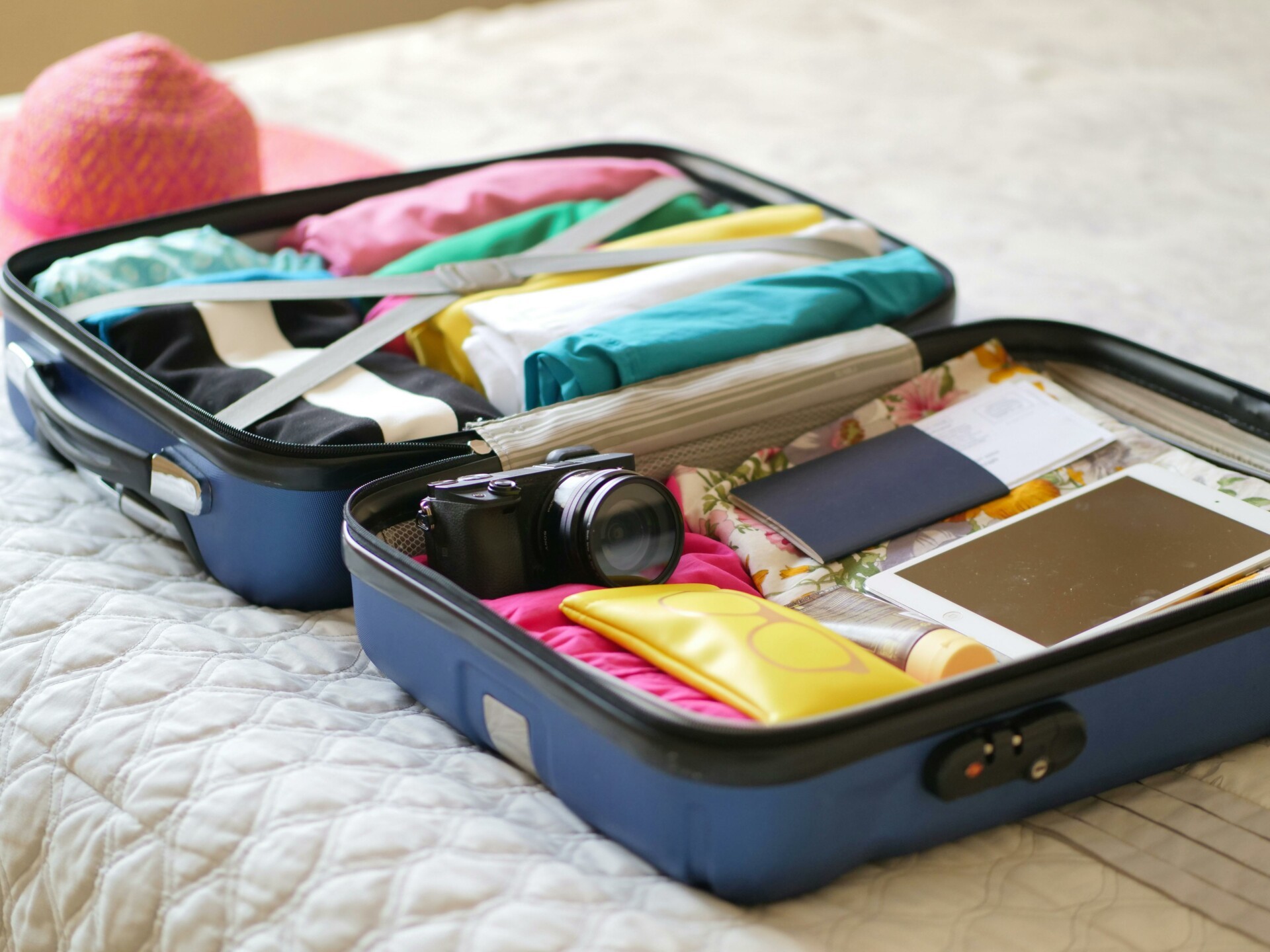
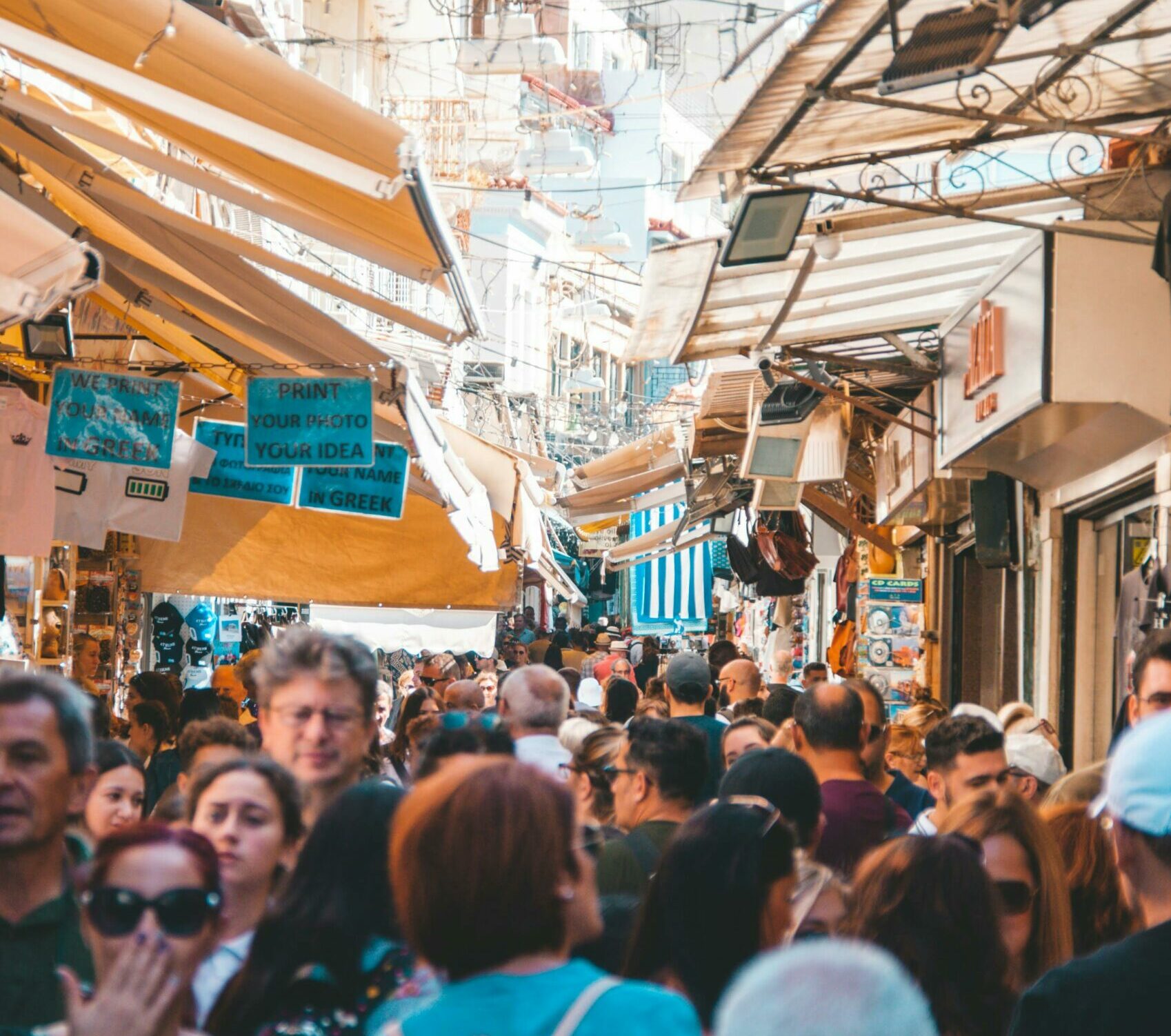
Travelling will remain a central part of many people's lives in the future. At the same time, however, there is a growing awareness of the challenges facing tourism, such as flight shaming, the boom in private accommodation and the problem of overtourism.
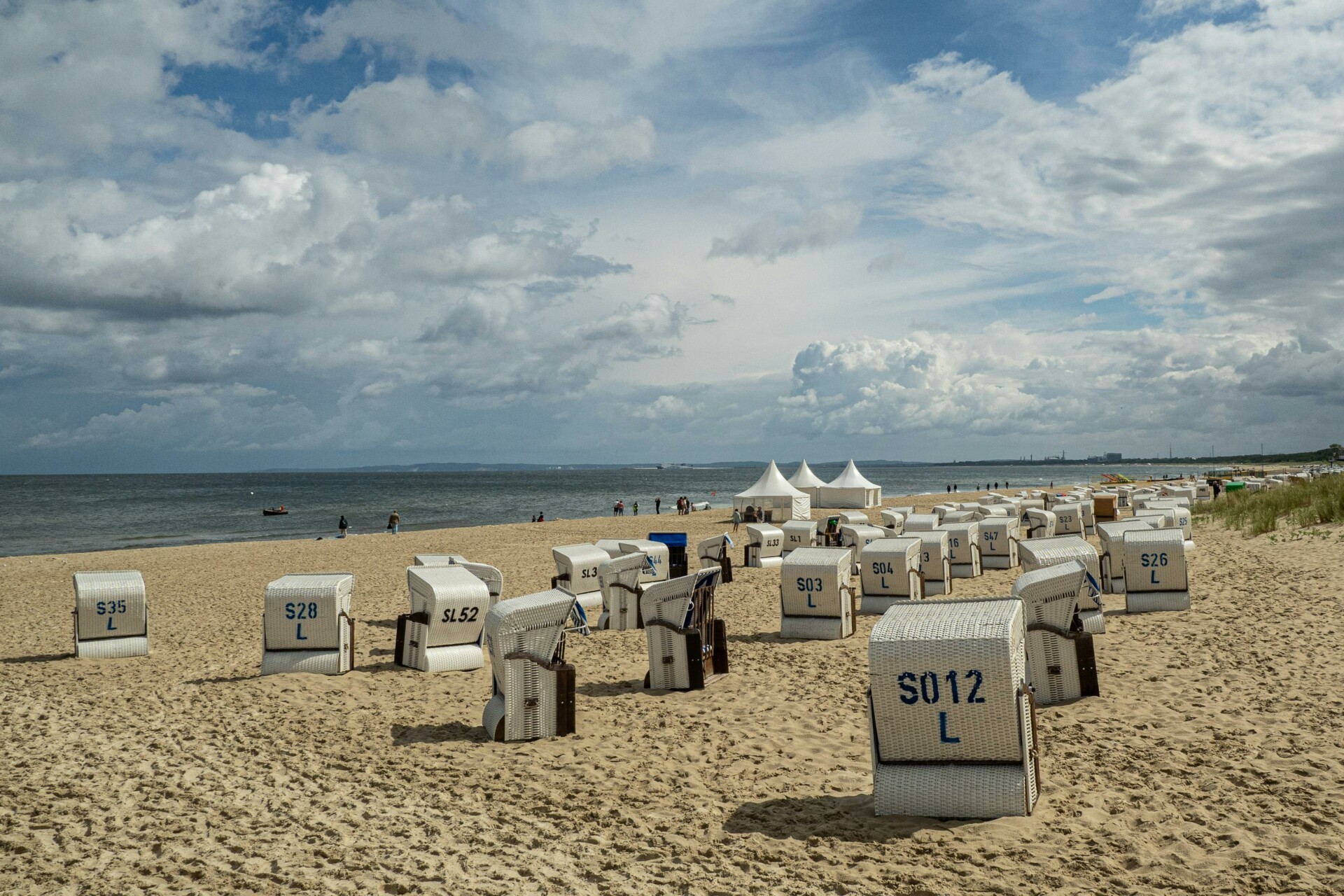

Holidays in Germany: who is travelling where?

2025-10-31T08:04:28+01:0025 March 2025|Categories: Chart of the week|Tags: , , , , , , , |

East Germans favour holiday destinations such as the coasts in Mecklenburg-Western Pomerania, the holiday regions in Brandenburg or the Elbe Sandstone Mountains. West Germans, on the other hand, more often spend their holidays on the beaches in the west of the republic, the Black Forest or the Alps. These results illustrate how strongly travel experiences and regional differences influence the choice of holiday destination.

Travel behaviour of Germans: When do they book and where do they go?

2025-10-31T08:04:30+01:0020 March 2025|Categories: Chart of the week|Tags: , , , , , , , |

Around one in ten German citizens spontaneously decides on a holiday destination and books last-minute trips. Young adults are by far the most likely to react to offers at short notice, while people in all other phases of life are more likely to plan ahead.

Are multiple journeys the new normal?

2025-10-31T08:04:33+01:006 March 2025|Categories: Chart of the week|Tags: , , , , , , , |

Ten years ago, one in five citizens took more than one vacation trip. Last year, that number more than doubled. Almost one in four traveled twice, more than one in ten three times, and one in twelve even more frequently. Travel frequency increased with rising income: the proportion of those taking multiple trips was more than three times higher among higher earners than among lower earners.

How citizens are looking ahead to 2025: worries, fear and a little hope

2025-10-31T08:04:35+01:002 January 2025|Categories: Chart of the week|Tags: , , , , , , , |

The majority of Germans are looking ahead to the next twelve months with concern. 63 percent of the population express fears and uncertainties, while only 37 percent are optimistic about the future. Differences emerge between various population groups: women are more pessimistic about the future than men (+6 percentage points). The difference is particularly striking with regard to income: low-income earners express concerns more frequently than higher-income earners (+9 percentage points).

Leisure time in focus: How money influences our activities

2025-10-31T08:04:38+01:0026 December 2024|Categories: Chart of the week|Tags: , , , , , , , |

Almost half of Germans (49 %) report being more dependent on paid leisure activities than they would like. This finding illustrates that the financial aspect plays an increasingly significant role in leisure activities and represents a tension between desires and possibilities for many. Striking differences exist between age groups...

How do Germans spend the festive season? Between family and loneliness

2025-10-31T08:04:40+01:0019 December 2024|Categories: Chart of the week|Tags: , , , , , , , |

The last few weeks of the year are a time for contemplation and tranquillity - at least in theory. But how do Germans actually spend the festive season? Is the focus on the family, or are more and more people packing their suitcases to celebrate under palm trees?

No room for selfishness: Why our society needs more cohesion

2025-10-31T08:04:43+01:0012 December 2024|Categories: Chart of the week|Tags: , , , , , , , |

The call for more cohesion in society is becoming increasingly clear. For example, 89 out of 100 respondents believe that there is less and less room for selfishness in our society and that greater cohesion is needed. Compared to 2016, when 86 per cent were already of this opinion, the desire for solidarity has intensified further. Agreement is particularly high among the over 65s: In this age group, 95 out of 100 respondents agreed with the statement.

How donations enrich our lives: Happiness through generosity

2025-10-31T08:04:45+01:005 December 2024|Categories: Chart of the week|Tags: , , , , , , , |

Tense economic times are having an impact on the donation behaviour of German citizens. In 2023, the volume of donations in Germany fell to around five billion euros - a decrease of 12 per cent compared to the previous year. At present, almost one in two people say they would donate less to others if they had financial difficulties. Childless couples in particular see savings potential here, while the figure is lower among young adults and singles.

How Germany informs itself: From editorials to likes

2025-10-31T08:04:48+01:0028 November 2024|Categories: Chart of the week|Tags: , , , , , , , |

How do Germans inform themselves in an age full of fake news and filter bubbles? While the younger generation is increasingly turning to social media, traditional news sources are falling behind.

Go to Top